Introduction
Custom rubber molding involves more than choosing a material and creating a mold. The manufacturing process also affects part quality, production efficiency, and total project cost. Custom rubber injection molding can be an effective solution for parts that require repeatable production and consistent quality, but its higher tooling investment may not suit every project. Understanding your part design, production volume, and budget will help you determine whether injection molding is the right choice or whether another molding process offers better value.
When Is Rubber Injection Molding a Good Fit
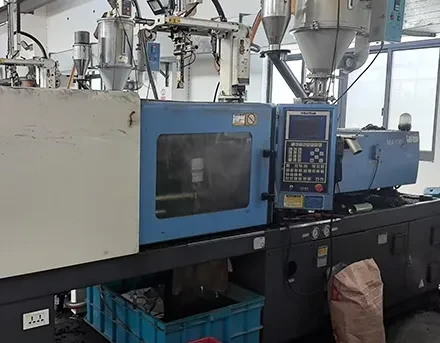
Rubber injection molding is generally worth evaluating when a project requires repeatable manufacturing, controlled material flow, and efficient production across recurring orders.
High-Volume Production
Injection molding can shorten production cycles and reduce repetitive manual handling, helping manufacturers produce large quantities more efficiently.
01
Consistent Part Quality
A validated mold and controlled processing conditions can improve part-to-part consistency across production runs.
02
Complex Part Geometry
Injection molding can accommodate many intricate features, although cavity design, material flow, venting, and demolding requirements determine actual feasibility.
03
Tight Dimensional Requirements
The process can support demanding dimensional requirements when the material, mold design, shrinkage behavior, and inspection methods are properly controlled.
04
Repeat Orders
Projects with stable, recurring demand can spread the initial tooling investment across more parts, potentially lowering the effective tooling cost per unit.
05
Injection molding is not automatically the best option for every complex or precision component, so the design and production economics should be evaluated together before tooling begins.
Does Your Part Design Suit Injection Molding
A part's geometry and performance requirements determine whether rubber injection molding can produce it reliably and economically.
Wall Thickness & Material Flow
Significant thickness variations, narrow flow paths, and thin sections may create filling or curing challenges that require design adjustments.
Parting Lines & Flash
The mold's parting line, gate locations, and venting strategy influence flash formation, trimming requirements, and the appearance of finished parts.
Dimensional Tolerances
Rubber shrinkage, compound behavior, mold design, and process variation must be considered when defining critical dimensions and acceptable tolerances.
Metal Inserts & Bonding
Components that incorporate metal inserts or require rubber-to-metal bonding need appropriate insert positioning, surface preparation, and mold design.
Material & Operating Conditions
The selected rubber compound must satisfy the application's temperature, pressure, chemical exposure, and mechanical performance requirements while remaining suitable for the proposed molding process.
Before committing to tooling, review the part drawing and critical dimensions with a manufacturing engineer to identify potential design changes and confirm that the required performance is achievable.
How Do Production Volume And Tooling Costs Affect Your Decision
Production volume determines how effectively a project can absorb the upfront investment in injection molding tooling, while cycle time and finishing requirements influence the cost of each acceptable part.
- Prototype And Low-Volume Orders: When demand is uncertain or limited, a lower-cost compression mold may be more economical than investing in injection tooling before the design is validated.
- Stable Annual Demand: Recurring orders provide a stronger basis for evaluating injection molding because the initial tooling cost can be distributed across a larger production quantity.
- High-Volume Production: Shorter cycles and automation can reduce manufacturing costs per part when the additional tooling investment is justified by sustained demand.
- Tooling Complexity: Cavity count, part geometry, required precision, and mold construction affect tooling costs, so two projects with similar order quantities may have very different break-even points.
- Total Manufacturing Cost: A meaningful comparison should include tooling, material consumption, cycle time, labor, finishing, inspection, and expected scrap rather than focusing on the unit molding price alone.
A useful starting point is to calculate the tooling cost allocated to each part over the expected production lifetime:
Tooling Cost Per Part = Total Tooling Cost / Lifetime Production Volume
This calculation does not establish the complete unit cost, but it helps buyers compare tooling investments against expected demand before requesting detailed quotations.
Injection Molding vs. Compression vs. Transfer Molding
Comparing the three main rubber molding processes helps you identify whether injection molding offers enough technical or economic value to justify its tooling investment.
|
Evaluation Factor |
Injection Molding |
Compression Molding |
Transfer Molding |
|
Tooling Investment |
Generally higher |
Generally lower |
Often intermediate |
|
Production Efficiency |
Well suited to repeat production |
Suitable for simpler, lower-volume runs |
Suitable for selected complex and insert-molded parts |
|
Material Loading |
Injected into closed mold cavities |
Premeasured material placed in the mold |
Material forced from a transfer chamber into cavities |
|
Dimensional Consistency |
Strong potential with validated tooling and controls |
Depends on part design and process control |
Depends on part design and process control |
|
Typical Selection Priority |
Repeatability and production efficiency |
Lower tooling investment and simpler designs |
Insert handling and controlled cavity filling |
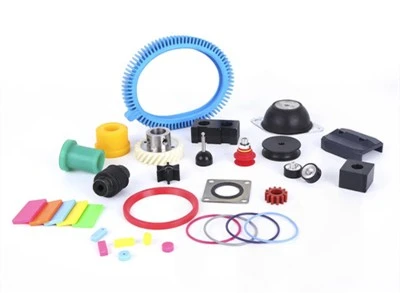

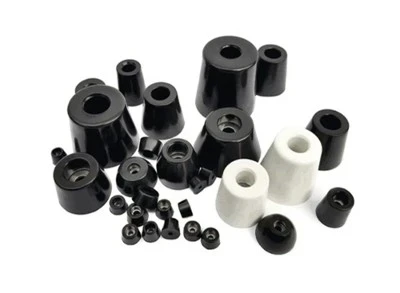
The best process actually depends on the compound, part geometry, production volume, and quality requirements.
Our Custom Rubber Molding Services
When Should You Consider Another Molding Process
Although injection molding offers production efficiency and repeatability, an alternative process may provide better value when tooling costs, part dimensions, or material characteristics make injection molding less suitable.
Limited Production Demand
Compression molding may be more economical for small batches, prototypes, or projects with uncertain future orders.
Large / Relatively Simple Parts
Compression molding may suit larger components with straightforward geometries when lower tooling costs outweigh the benefits of faster production cycles.
Insert-Focused Designs
Transfer molding may be worth evaluating when the part requires carefully positioned inserts or controlled material flow around embedded components.
Difficult-To-Process Compounds
Materials with challenging flow characteristics may require a different molding approach or compound adjustments to achieve reliable cavity filling.
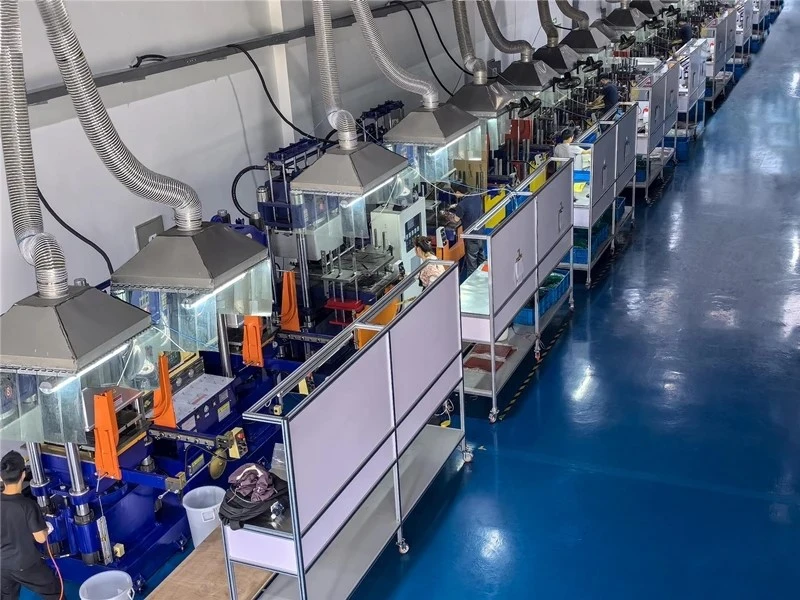
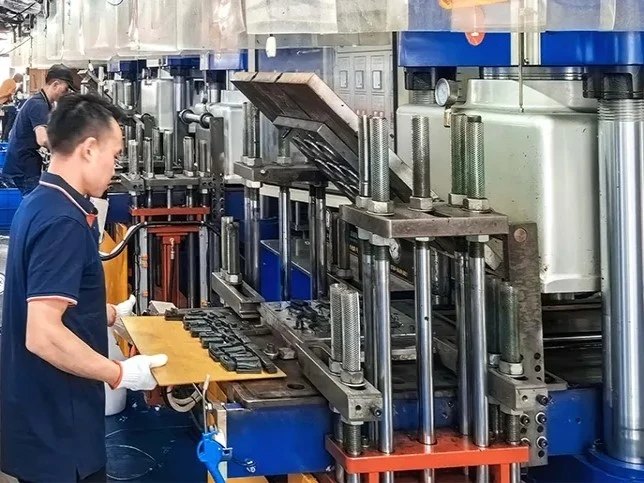
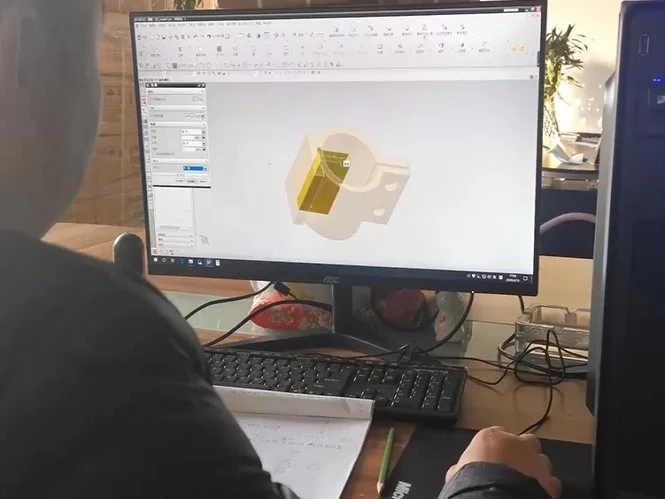
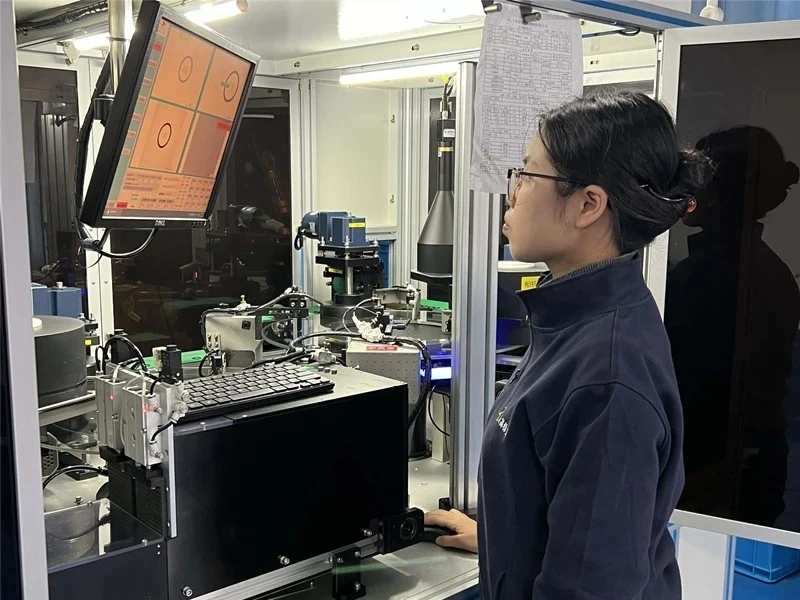
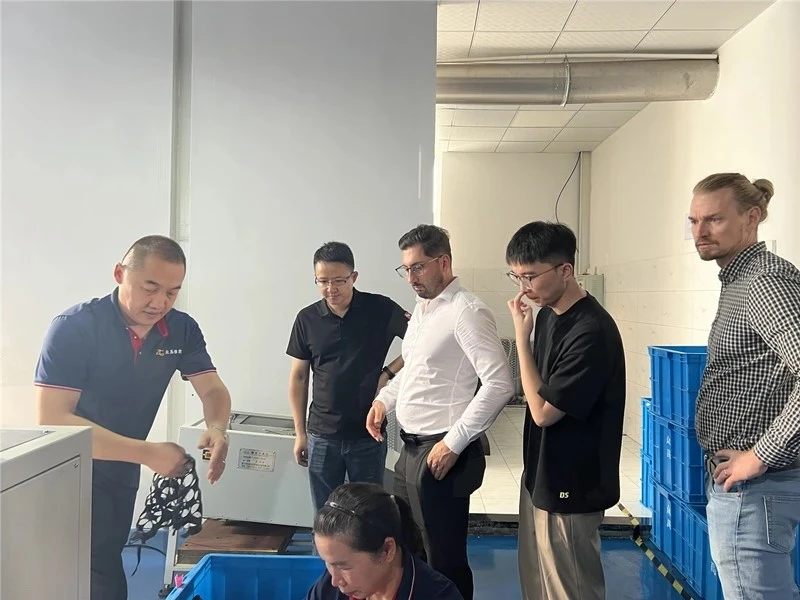
Ningbo Zhonggao has 20 production lines and a mold inventory exceeding 20,000 sets, providing manufacturing resources for evaluating custom rubber part requirements. Its mold-making capability includes a reported mold error of ±0.01 mm, which can support tooling assessments for projects with demanding dimensional requirements.
How to Evaluate Your Project Before Requesting a Quote
Before selecting custom rubber injection molding, confirm that your part geometry, rubber compound, and critical tolerances are compatible with the proposed process, then compare tooling investment and expected lifetime production costs against compression and transfer molding alternatives. Prepare your 2D drawing or 3D CAD file, material and hardness requirements, operating conditions, critical dimensions, prototype and initial order quantities, estimated annual demand, and target delivery schedule so the manufacturer can assess feasibility and calculate the expected cost. Send your part drawings, technical requirements, and estimated order volume to request a project-specific molding assessment and quotation.
Contact Our Team for Your Project