Introduction
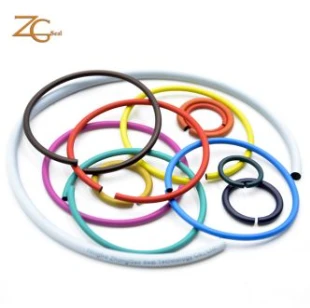
Material selection directly affects sealing performance, service life, and suitability for application. For custom rubber seals, rubber gaskets, and rubber O-rings, EPDM and FKM are two commonly specified materials, each suited to different operating environments and performance priorities.


What Are EPDM and FKM Rubber Materials
EPDM and FKM are widely used elastomers for custom rubber seals, rubber gaskets, and rubber O-rings. EPDM is commonly selected for applications involving water, weather exposure, ozone, and outdoor conditions. FKM, also known as Viton, is frequently used in environments involving oil, fuel, chemicals, and elevated temperatures. Both materials can be manufactured into different sealing products depending on application requirements.
How Do EPDM and FKM Compare in Sealing Applications
EPDM and FKM are widely used elastomers for custom rubber seals, rubber gaskets, and rubber O-rings. EPDM is commonly selected for applications involving water, weather exposure, ozone, and outdoor conditions. FKM, also known as Viton, is frequently used in environments involving oil, fuel, chemicals, and elevated temperatures. Both materials can be manufactured into different sealing products depending on application requirements.
|
Comparison Factor |
EPDM |
FKM |
|
Typical Environment |
Water, Weather & Outdoor Exposure |
Oil, Fuel & Chemical Exposure |
|
Temperature Capability |
Broad Service Range |
High-Temperature Applications |
|
Ozone Resistance |
Excellent |
Very Good |
|
Chemical Compatibility |
Water-Based Media |
Oil & Fuel Media |
|
Common Products |
Rubber Seals, Gaskets & O-Rings |
Rubber Seals, Gaskets & O-Rings |
Which Material Is Better for Custom Rubber Seals
Material selection should be based on actual operating conditions rather than a universal preference. Different sealing environments may benefit from different material properties.
- Water & Outdoor Exposure: EPDM is commonly selected for sealing applications involving water, weather, ozone, and outdoor environmental exposure.
- Oil & Fuel Contact: FKM is frequently chosen for systems exposed to oil, fuel, lubricants, and related industrial fluids.
- General Industrial Sealing: The most suitable material depends on media compatibility, operating conditions, and application-specific requirements.
- Long-Term Service Conditions: Environmental exposure, temperature range, and expected service life should all be evaluated during material selection.
Can EPDM and FKM Be Used for the Same Seal Design
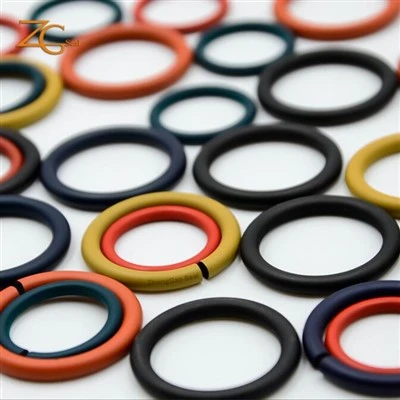
In many sealing projects, the same O-ring, gasket, or seal profile may be produced in different rubber materials. Material substitution is often evaluated when operating conditions, media exposure, or project requirements change.
Same Geometry, Different Material Options
Many custom rubber seals and O-rings can be manufactured with identical dimensions while using either EPDM or FKM compounds.
Media Compatibility Remains the Key Factor
The final material choice should match the actual working medium rather than relying only on part geometry.
Application Requirements Should Be Reviewed Together
Temperature range, environmental exposure, sealing pressure, and service expectations should all be reviewed before changing materials.
How Material Selection Affects Rubber Gaskets and O-Rings
Material selection influences how rubber gaskets and rubber O-rings perform under different operating conditions. The same product design may require different materials depending on the application environments.
- Rubber Gaskets: Material choice affects sealing compatibility, environmental resistance, and suitability for specific service conditions.
- Rubber O-Rings: Material selection influences media compatibility, compression behavior, and overall operating performance.
- Custom Seal Development: Material selection should be evaluated together with part geometry, installation conditions, and application requirements.
What Information Should Buyers Provide When Selecting Seal Materials
Providing complete project information helps suppliers recommend suitable sealing materials and product configurations.
- Application Environment: Describe whether the seal will operate indoors, outdoors, or in specialized working conditions.
- Working Medium: Specify contact with water, oil, fuel, chemicals, air, or other process media.
- Temperature Range: Provide the expected operating temperature range for the application.
- Seal Type: Confirm whether the project involves custom rubber seals, custom rubber gaskets, or custom rubber O-rings.
- Drawing or Sample: Share technical drawings, samples, or dimensional requirements whenever available.
- Performance Priorities: Clarify key priorities such as chemical resistance, temperature range, weather resistance, and seal durability.
What to Look for in a Custom Rubber Seal Manufacturer
Selecting the right manufacturer is important for both material selection and long-term sealing performance. Buyers should evaluate technical support as well as production capability.
- Material Recommendation Capability: The supplier should recommend materials according to media, temperature, and environmental conditions.
- Custom Seal Development Support: Engineering support should be available for custom sealing designs and application requirements.
- Custom Gasket Manufacturing Experience: The manufacturer should have experience producing custom rubber gaskets for different sealing applications.
- Custom O-Ring Production Capability: The supplier should support custom O-ring sizes, materials, and project specifications.
- OEM/ODM Project Support: OEM and ODM capabilities help streamline development from design review to production.

A reliable supplier, such as Ningbo Zhonggao, should help match material selection with application requirements and custom sealing designs.
Conclusion
EPDM and FKM each offer advantages for different sealing environments, making both material selection and material substitution important considerations in custom seal development. The best choice depends on media compatibility, temperature requirements, long-term operating conditions, and the specific seal design. Contact us for custom rubber seals, rubber gaskets, and rubber O-rings tailored to your application requirements.