Introduction
In automotive manufacturing, rubber parts may be small, but they play a critical role in ensuring vehicle safety, comfort, and durability. This guide will cover the types, applications, and benefits of automotive rubber components, helping you fully understand the value of these critical parts.

What are Automotive Rubber Parts?
Rubber automotive parts are functional components made primarily of synthetic rubber through processes such as molding, injection molding, or extrusion. They are widely used in various applications, including engines, chassis, bodies, and electrical systems, for sealing, vibration reduction, protection, and connection. Thanks to the elasticity, wear resistance, weather resistance, and chemical resistance of rubber, these parts not only enhance vehicle safety and comfort but also extend their service life, making them essential components for stable vehicle operation.
Common Types of Rubber Parts in Automotive Systems
Almost every vehicle system contains rubber parts. Common rubber components can be broadly categorized into the following categories based on their function, each playing a vital role in a different system:
Sealing Parts
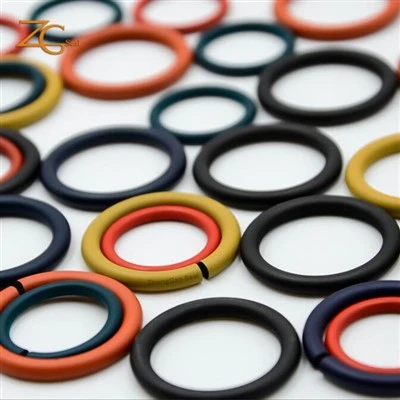
These components primarily include sealing strips, oil seals, gaskets, and seals. Their core function is to prevent the infiltration or leakage of water, dust, gas, and oil, maintaining the sealing of the engine and transmission systems. They are crucial for ensuring vehicle airtightness and reliability.
Vibration Damping Parts
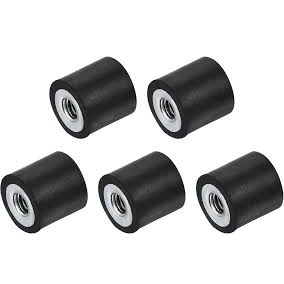
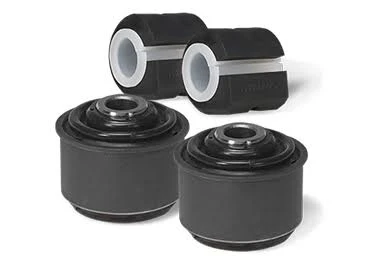
Common vibration-damping components include engine mounts, suspension bushings, and shock absorbers. They primarily absorb and dissipate shock and vibration during driving, reducing the impact of noise and vibration on the vehicle body and passengers, and improving vehicle comfort and ride quality.
Pipes and Flexible Connectors
These pipes, including fuel lines, coolant lines, vacuum lines, intake hoses, and brake hoses, transport fuel, coolant, and gas within the engine and chassis systems. They are resistant to high temperatures, high pressures, and chemical corrosion, ensuring the stability of the powertrain and braking systems.
Protective and Covering Parts
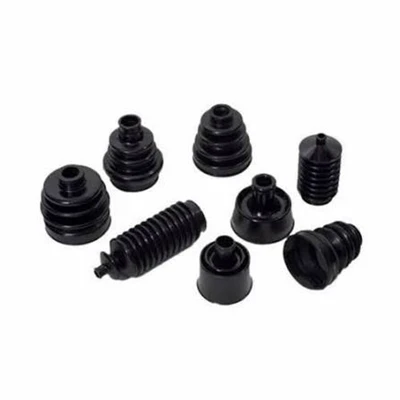
These parts, such as bushings, bellows, wire harness covers, and rubber boots, protect critical components from dust, moisture, and external impact, thereby extending the service life of the powertrain and electrical systems.
Specialty Rubber Parts
Specialty rubber parts are typically made from high-performance rubber materials such as silicone rubber, fluororubber, or EPDM. They are often used in high-temperature areas of the engine compartment or in areas requiring high weather resistance. Their resistance to heat, aging, and corrosion ensures reliable operation in extreme vehicle environments.

Applications of Automotive Rubber Parts
Rubber components are found in nearly all automotive systems, providing critical support for safety, comfort, and durability.
Body Systems
Rubber components such as door seals, window seals, and windshield seals effectively protect against wind, rain, and dust, while also reducing wind noise, providing a quiet and comfortable interior environment for drivers and passengers.
Powertrain Systems
Rubber components such as driveshaft dust covers and oil seals absorb vibration and prevent leakage during operation, ensuring smooth and efficient engine and transmission operation.
Suspension and Chassis Systems
Rubber parts such as suspension bushings and shock absorbers effectively absorb road impact, improving handling stability and comfort, and protecting chassis components from wear.
Braking and Fuel Systems
Rubber hoses and fittings, such as brake hoses, fuel lines, and coolant lines, safely transport fluids under high temperatures and pressures, ensuring reliable operation of the power output and braking systems.
Electrical and Protective Systems
Wire harness covers, bellows, and rubber boots protect electrical components from moisture and abrasion, extending the lifespan and reliability of electronic systems.

Benefits of Automotive Rubber Parts
Rubber offers unique advantages over other materials like metal and plastic in automotive components, making it irreplaceable in a wide range of systems.
Excellent Elasticity and Cushioning Properties
Rubber effectively absorbs vibration and shock, making components like suspension bushings excellent at reducing vehicle vibration and noise. Metal or hard plastics struggle to provide the same cushioning.
01
Excellent Sealing
Rubber parts adhere tightly to contact surfaces, preventing leakage of water, dust, oil, and gas. Compared to plastic, rubber maintains its sealing effectiveness even after prolonged compression and deformation.
02
Weather Resistance and Chemical Stability
Materials like EPDM, fluoroelastomer, and silicone rubber withstand long-term use in high and low temperatures, UV rays, and oil environments, without aging or corrosion. In contrast, metal rusts easily and plastic can crack brittlely, while rubber is more reliable in complex environments.
03
Lightweighting and Design Flexibility
Rubber parts are lighter than metal parts, making it easier to design complex shapes and conform to vehicle curves or unusual spaces, helping to reduce vehicle weight and improve fuel efficiency.
04
Highly Cost-Effective
Rubber parts have a mature production process, resulting in low mass production costs and easy repair and replacement, making them more cost-effective than high-performance metal or composite materials.
05
Conclusion
Automotive rubber components vary widely, from weather strips and oil seals to vibration dampers and protective sleeves. They are widely used in the vehicle body, powertrain, suspension, braking, and electrical systems, providing sealing, vibration isolation, weather resistance, and chemical corrosion resistance. Compared to metal or plastic, rubber is irreplaceable due to its elasticity, sealing, weather resistance, and cost advantages.
For manufacturers and buyers, selecting the right rubber materials and components not only improves vehicle performance and comfort but also extends service life and reduces maintenance costs. Therefore, understanding their types, applications, and advantages is crucial.
Ningbo Zhonggao: Your Trusted Rubber Parts Partner
As a rubber parts manufacturer, Ningbo Zhonggao boasts a modern 5,000-square-meter facility equipped with 20 efficient production lines, over 20,000 molds, and over 40 experienced technicians. With a monthly production capacity exceeding 10 million pieces, we can meet high-volume, high-quality production needs and support a wide range of customizations.
If you're looking for high-quality custom rubber parts solutions, contact us for expert support and tailored service.