Introduction
Rubber parts are widely used in numerous fields, including industry, electronics, automotive, and medical, providing sealing, shock absorption, insulation, and cushioning. However, when it comes to wholesale rubber parts, different customers have varying requirements for precision, performance, and durability, and standard rubber parts often fail to meet these demands. As a custom rubber parts manufacturer, Zhonggao leverages its extensive OEM/ODM experience, specialized production processes, and diverse material selection to create high-quality, stable rubber solutions for our customers.
Types of Molded Rubber Products
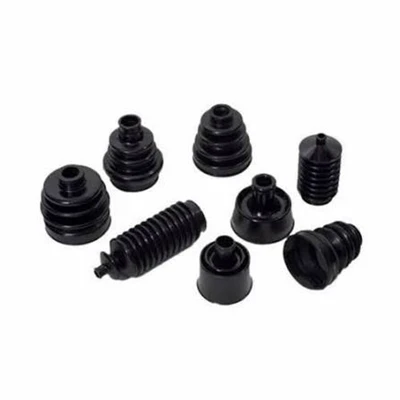
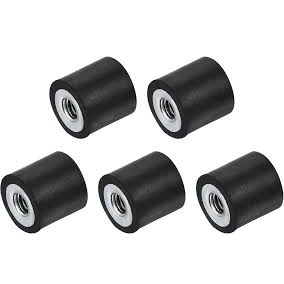
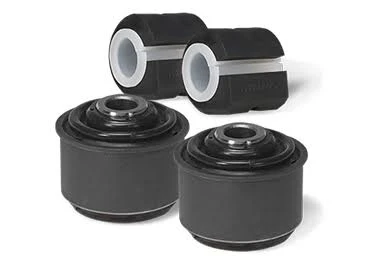
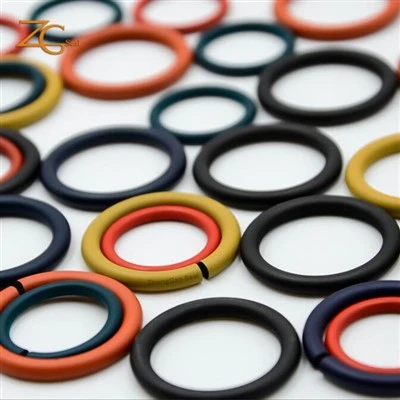
Our custom rubber molding service can be used to create the following types of products:


Different Rubbers Used for Custom Molding
There are two types of rubber used in custom rubber parts: natural rubber and synthetic rubber. Synthetic rubber is scientifically formulated, with its tensile strength and performance advantages carefully calculated to suit specific applications. Since its founding, Zhonggao has been committed to continuously selecting a variety of synthetic rubber materials to meet the diverse needs of our customers, particularly in automotive, machinery, hardware, and other parts. We offer 20 + rubber materials. Below is a list of the most commonly used rubber types and characteristics for custom rubber molding applications, allowing you to select based on your specific application.
|
Material |
Key Properties |
Common Applications |
|
NBR (Nitrile Rubber) |
Oil, fuel, and solvent resistance Good abrasion resistance Low compression set Moderate temperature resistance (-40°C to 120°C) |
Automotive seals (fuel, oil systems) Hydraulic seals Gaskets, O-rings Industrial machinery (pumps, valves) |
|
EPDM (Ethylene Propylene Diene Monomer) |
Excellent resistance to weather, ozone, and UV rays High temperature resistance (-50°C to 150°C) Water and steam resistance Non-toxic |
Automotive weatherstripping Roof membranes Seals for outdoor applications Electrical insulation |
|
PTFE (Polytetrafluoroethylene) |
Extremely low friction coefficient High temperature resistance (-100°C to 280°C) Excellent chemical resistance Hydrophobic (water repellent) |
Seals, gaskets, and o-rings in chemical industries Electrical insulation Food processing (FDA-approved) |
|
FFKM (Perfluoroelastomer) |
Excellent resistance to chemicals, oils, and solvents High temperature stability (-20°C to 320°C) Low permeability to gases Low compression set |
High-end seals for chemical processing Aerospace (fuel systems) Semiconductor manufacturing Pharmaceutical applications |
|
Silicone Rubber |
Excellent temperature resistance (-70°C to 220°C) Non-toxic, food-grade options available High flexibility Excellent electrical insulator |
Medical devices Food & beverage seals Automotive (gaskets, seals) Electrical insulation |
|
CR (Chloroprene Rubber) |
Good resistance to weather, ozone Moderate temperature resistance (-40°C to 120°C) Good electrical insulating properties |
Automotive gaskets Electrical cables and insulation Seals for machinery Marine applications |
Various Production Methods for Rubber Parts

Compression Molding
Compression molding process involves placing pre-weighed rubber compounds directly into a heated mold cavity, closing the mold, and applying pressure. Under the combined effect of heat and pressure, the rubber flows to fill the cavity and simultaneously undergoes vulcanization.

Rubber Injection Molding
Rubber injection molding process involves heating and plasticizing the compounded rubber in the barrel of the machine, then injecting it at high pressure and speed into a closed heated mold, followed by pressure-holding vulcanization.

Extrusion Molding
Rubber extrusion parts process involves heating and plasticizing the rubber compound in an extruder, then continuously extruding it through a die of a specific shape to produce long products with a constant cross-section, such as various rubber strips, door and window seals, etc.
Key Technical Considerations in Custom Rubber Parts
When you decide to customize rubber parts, you must evaluate the following technical factors that directly affect the performance, cost, and life of the final product. Only by understanding these factors can you ensure that the rubber parts meet your functional requirements, environmental conditions, and production efficiency.
Rubber selection
Rubber manufacturers need to select the appropriate rubber type when designing rubber parts. As shown in the table above, the six types of rubber raw materials used for rubber parts have different properties. When selecting custom rubber parts, customers should discuss the appropriate rubber material with the manufacturer.
Mold Design
The final quality of your rubber molded part depends largely on the design of the mold. If you need a manufacturer to design a mold for your rubber part, you need to ensure that the mold they design has perfect cavity dimensions so that the finished product fits within tolerances.
Tolerance and Dimensional Accuracy
Tolerance refers to the dimensional variation of a molded rubber part. Tight tolerances on rubber molds ensure that the rubber part meets the precise standards required for the project application. Customers should confirm these tolerance requirements when discussing custom rubber part manufacturing with custom rubber part manufacturers.
Hardness (Durometer)
Rubber hardness affects flexibility, sealing performance, and load-bearing capacity. The right durometer must balance softness (for sealing or cushioning) with hardness (for structural stability).
For example, soft rubber (30-50 Shore A) is ideal for seals, while hard rubber (70-90 Shore A) is more suitable for shock-absorbing mounts or industrial rollers.
Operating Environment
Before ordering custom rubber parts, customers need to inform the manufacturer of the operating environment in advance. For example, the rubber part may be exposed to high and low temperatures, ultraviolet rays, oil, chemicals, or pressure. The manufacturer can select the appropriate rubber material based on the environment provided by the customer.
Quality Control and Testing
When choosing a suitable custom rubber parts manufacturer, customers should ensure that the manufacturer performs quality control and testing to ensure product quality. Common tests include tensile strength, compression set, hardness, and aging resistance. Reliable rubber parts manufacturers will also provide inspection reports or certificates (e.g., those complying with RoHS and REACH).
How to OEM/ODM Rubber Parts in Zhonggao
- Requirement Analysis
- Material Selection & Formulation Design
- Mold Design & Tooling
- Sample Approval
- Mass Production

Requirement Analysis
Our technicians will discuss every detail of your custom rubber parts project with you. For example, we'll consider your product's intended use (e.g., automotive, electronics, medical, machinery, etc.) and determine key parameters (size, tolerance, hardness (Shore A), color, temperature resistance, oil resistance, elasticity, etc.) based on your application. We'll then transform your ideas into a 3D model for your review.

Material Selection & Formulation Design
Next, we'll select the appropriate rubber material based on your product requirements. We offer over 20 different rubber materials (NR, EPDM, NBR, Silicone, Viton, SBR, CR, and PU), and we provide material datasheets for your review. Our technical experts will guide you through your material selection process, helping you find the rubber component that best meets your desired performance requirements.

Mold Design & Tooling
As a professional manufacturer of custom rubber parts, we have our own mold-making center with over 20,000 molds, offering professional mold design and production services. We can design and manufacture molds based on your samples or designs. If you have your own molds, we can also manufacture them directly for you, maintaining strict confidentiality.

Sample Approval
Our experienced experts will arrange production samples according to your needs and deliver them within 3 to 15 days so that you can quickly test whether the product quality meets your project requirements.

Mass Production
If you're satisfied with the sample, we'll manufacture it in accordance with ISO9001 or IATF16949 standards. Our production processes include compression molding, injection molding, and extrusion. We offer flexible minimum order quantities for both logo and custom products.
Why Choose Zhonggao as Your Rubber Molding Partner

Expertise in Custom Rubber Molding

High-Quality Materials and Strict Quality Control

Comprehensive Engineering Support

Flexible Production and Rapid Prototyping
Choose Zhonggao for All Your Molded Rubber Products!
As a professional rubber parts manufacturer, we offer OEM/ODM services for rubber parts to customers worldwide. We have developed over 10,000 custom rubber parts. We can assist you in designing and manufacturing precision, high-quality rubber parts tailored to your specific application and industry. For more information on custom rubber parts, please contact us directly and our professional technical team will be happy to assist you.