


Ningbo Zhonggao Rubber & Plastic Manufacturing Co., Ltd. is one of the most reliable manufacturers and suppliers of fuel cap seals in China. The company has world-leading production equipment and strong manufacturing capabilities. Welcome to wholesale custom made fuel cap seals from our factory.
Fuel Cap Seals for Reliable Fuel and Vapor Sealing
Fuel cap seals are engineered to maintain reliable fuel and vapor sealing under specific fuel types, temperature ranges, compression conditions, and environmental exposure. Custom materials, profiles, dimensions, and tolerances help ensure proper fit, long-term sealing performance, and consistent production for demanding fuel-handling applications.
Technical Specifications
Rubber Material Selection:
|
Rubber Material |
Key Performance |
|
NBR |
Excellent Fuel & Oil Resistance |
|
Silicone |
Wide Temperature Range & Food-Grade Options |
|
FKM |
High-Temperature & Chemical Resistance |
Fuel Cap Seal Specifications:
|
Specification |
Technical Parameters |
|
Operating Temperature |
NBR: -40°C to +120°C; Silicone: -70°C to +220°C; FKM: -20°C to +200°C |
|
ID |
39–60 mm typical* |
|
OD |
60–80 mm typical* |
|
Thickness |
0.5–10 mm typical* |
|
Hardness |
NBR: 55–75 Shore A; Silicone: 55–65 Shore A; FKM: 65–85 Shore A |
|
Compression Set |
≤20% at 70°C × 22 h |
|
Elongation at Break |
≥200%* |
|
Tensile Strength |
≥5 MPa* |
|
Seal Thickness |
0.5–10 mm typical* |
|
Dimensional Tolerance |
±0.05–±0.20 mm typical* |
*Final dimensions, tolerances, material, and hardness are determined by the application, sealing structure, and customer requirements.
Custom Fuel Cap Seals
We manufacture custom fuel cap seals based on your drawing, sample, fuel system, sealing requirements, and working conditions.

Custom Size & Seal Profile
We can produce:
- Custom ID, OD, thickness, cross-section, and overall dimensions
- Ring, flat, molded, and application-specific seal profiles
- Irregular shapes, holes, grooves, steps, and other sealing features
Fuel-Compatible Material & Hardness
Material and hardness can be selected according to:
- Fuel type and fuel blend
- Operating temperature
- Fuel or vapor exposure
- Required compression and sealing force
- Static sealing and repeated cap opening conditions
Drawing / Sample
You can provide:
- CAD or technical drawings
- Seal dimensions and critical tolerances
- Groove and mating-part dimensions
- Fuel and operating conditions
- Existing Fuel Cap Seal samples
We can use these details to evaluate the sealing requirements and recommend a suitable material, profile, and production approach.
Mold & Production
Custom tooling can be developed for molded fuel cap seals. Available processes include:
- Compression molding
- Transfer molding
- Injection molding
- Die cutting
Samples can be produced and evaluated for fit, compression, and sealing performance before mass production.
OEM & Custom Production
We support customization of:
- Dimensions and seal profiles
- Material, compound, and hardness
- Packaging and labeling
- Customer part numbers
- OEM production using customer-supplied molds
For customer-supplied tooling, the molds remain dedicated to the customer's project, while drawings, samples, tooling information, and related technical data are kept confidential to help protect customer designs and intellectual property.
Fuel Cap Seal Applications
Fuel Cap Seals are used in fuel storage and delivery assemblies where reliable sealing is required to control fuel leakage, fuel vapor, and external contamination.
- Automotive Fuel Caps & Fuel Tanks
- Motorcycles & Small Engines
- Generators & Fuel-Powered Equipment
- Fuel Storage & Handling Equipment
- Agricultural & Construction Equipment
- Fuel System Components
Fuel Cap Seal Manufacturing
Before approving a fuel cap seal sample, suppliers should help buyers verify seal dimensions, profile, material and hardness, fuel or fuel blend, temperature range, vapor exposure, groove fit, compression, leakage performance, packaging, and applicable quality requirements.
- The general lead time of sample is around 3–15 days.
- The general lead time of mass production is around 10–30 days after order confirmation.
- For repeat B2B orders, part numbers, quantities, and other identification requirements can be specified to support warehouse and purchasing control.
- A 1-year quality guarantee is provided for qualified product quality issues.
- Zhonggao supports EXW, FOB, CFR, and CIF delivery terms, allowing the transportation arrangement to be selected according to the purchasing requirement.
Zhonggao supports custom fuel cap seal production with 20+ production lines, 20,000+ molds, and monthly capacity of up to 10 million rubber parts.
Repeat Order Consistency:
Approved Sample / Drawing → Production Specification → Batch Inspection → Repeat Order
Fuel Cap Seal Quality Control
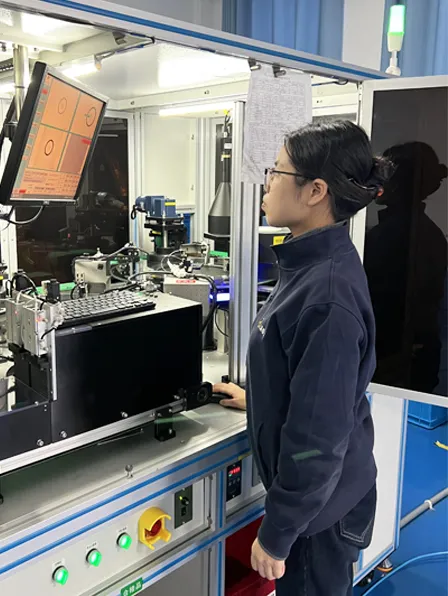
-
Incoming Material Control
Rubber compounds should be checked against the specified material and compound requirements, hardness and other physical properties before production.
-
Dimensional Inspection
Critical dimensions such as ID, OD, thickness, and profile dimensions should be inspected against the approved drawing or sample.
-
Visual and Flash Inspection
Finished seals should be checked for visible defects such as surface damage, incomplete molding, excessive flash, cracks, or other conditions that could affect installation or sealing.
-
Prototype & Fit Testing
Prototype samples are produced before mass production to verify dimensional fit, compression, retention, and installation.
-
Fuel Compatibility & Aging Validation
The selected compound should be evaluated against the specified fuel or fuel blend and the expected temperature exposure.
-
Installed Leak Testing
Testing should confirm that the seal maintains contact with the mating surfaces and prevents fuel or vapor leakage under the specified operating conditions.
-
Batch Traceability
Production records should connect the finished seals with the corresponding material, production batch, inspection results, and customer specification.
Zhonggao's quality system includes dedicated QC personnel, laboratory testing equipment, raw-material inspection, and finished-product inspection, with IATF 16949, ISO 9001, ISO 14001, and ISO 45001 certifications.
Fuel Cap Seal Ordering & Supply
A reliable fuel cap seal supply program should cover more than the first sample. Buyers need a clear process for sample development, tooling, production quantities, lead times, packaging, and repeat purchasing.
- Prototype & Sample Orders
- Tooling & Mold Management
- MOQ & Production Planning
- Sample & Mass Production Lead Times
- Packaging, Identification & Repeat Orders
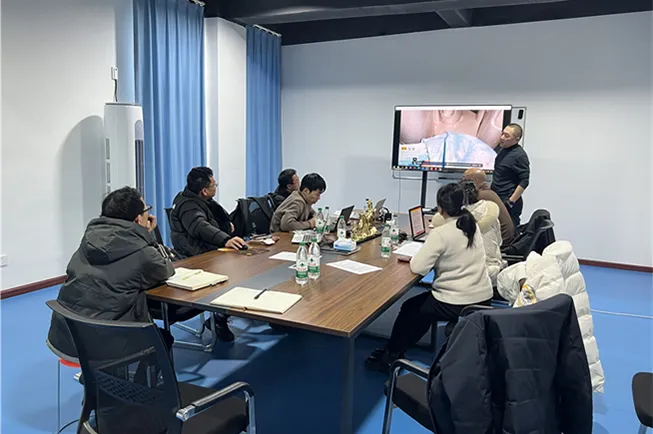
Zhonggao's fuel cap seals receive 100% quality control before shipping, supporting inspection of finished parts before each shipment.
FAQ
Q: What causes a fuel cap seal to swell?
A: Fuel cap seal swelling is commonly associated with compound incompatibility, prolonged fuel exposure, or exposure to a fuel blend outside the material's validated service conditions.
Q: How do I know if a fuel cap seal needs replacement?
A: A fuel cap seal should be considered for replacement when it shows cracking, hardening, flattening, deformation, swelling, or visible damage that may affect sealing.
Q: Can fuel cap seals prevent fuel vapor leakage?
A: Yes, a properly fitted fuel cap seal helps maintain airtightness between the fuel tank cap and filler port to reduce fuel vapor leakage.
Q: What is the difference between an O-ring and a special-shaped fuel cap seal?
A: An O-ring uses a circular cross-section and compression to seal, while a special-shaped seal can incorporate lips or grooves for application-specific sealing requirements.
Q: Can fuel cap seals be used for diesel fuel?
A: Yes, NBR fuel cap seals are listed as resistant to gasoline and diesel on Zhonggao's Fuel Cap Seals product page.
Q: Can a fuel cap seal be integrated with the fuel tank cap?
A: Yes, an integrated gasket is one of the customized fuel cap seal structures offered for applications where the seal is incorporated into the fuel tank cap.
Q: Can fuel cap seals include holes or special edge profiles?
A: Yes, Zhonggao provides secondary processing capabilities including precision perforation, CNC stamping, and edge profiling for customized rubber components.
Q: How should old fuel cap seals be compared with replacement seals?
A: Compare the original seal's dimensions, profile, material, hardness, fuel exposure, and installation position rather than matching dimensions alone.
Hot Tags: fuel cap seals, China fuel cap seals manufacturers, suppliers, radiator core support bushings, car window rubber seal price, car bonnet rubber seal, car rubber parts, radiator rubber bushings, automotive rubber bumpers


