


In industrial applications, O-rings are ubiquitous sealing components that play a crucial role in ensuring the proper functioning of various systems. However, when operating in abrasive environments, the performance of O-rings can be severely challenged. As an O-ring supplier, I have witnessed firsthand the importance of understanding how O-rings perform in such harsh conditions and providing suitable solutions to our customers.
The Challenges of Abrasive Environments
Abrasive environments are characterized by the presence of hard particles such as sand, dust, metal shavings, or other debris that can cause wear and damage to O-rings. These particles can be introduced into the system through various means, including external contamination, internal component wear, or the nature of the process itself. When O-rings come into contact with these abrasive particles, several issues can arise:
Wear and Tear
The most obvious effect of abrasive particles on O-rings is wear. As the particles rub against the O-ring surface, they gradually remove material, leading to a reduction in the O-ring's cross-sectional diameter and potentially compromising its sealing ability. Over time, excessive wear can cause the O-ring to fail completely, resulting in leaks and system downtime.
Surface Damage
Abrasive particles can also cause surface damage to O-rings, such as scratches, cuts, or abrasions. These surface defects can create pathways for fluid or gas to leak past the O-ring, even if the overall cross-sectional diameter remains intact. Additionally, surface damage can increase the friction between the O-ring and the mating surfaces, leading to increased wear and potentially causing the O-ring to stick or bind.

Material Degradation
In some cases, abrasive particles can chemically react with the O-ring material, causing it to degrade or lose its physical properties. This can be particularly problematic in environments where the abrasive particles are corrosive or contain chemicals that can attack the O-ring material. Material degradation can lead to a reduction in the O-ring's elasticity, hardness, or chemical resistance, further compromising its sealing performance.
Factors Affecting O-Ring Performance in Abrasive Environments
Several factors can influence how well an O-ring performs in an abrasive environment. Understanding these factors is essential for selecting the right O-ring material and design for a specific application.
O-Ring Material
The choice of O-ring material is perhaps the most critical factor in determining its performance in an abrasive environment. Different materials have different levels of resistance to wear, abrasion, and chemical attack. Some of the most commonly used O-ring materials in abrasive applications include:
- Nitrile Rubber (NBR): Nitrile rubber is a popular choice for general-purpose sealing applications due to its good resistance to oil, fuel, and abrasion. It has a relatively high hardness and good mechanical properties, making it suitable for use in moderately abrasive environments.
- Fluorocarbon Rubber (FKM): Fluorocarbon rubber, also known as Viton, offers excellent resistance to high temperatures, chemicals, and abrasion. It is commonly used in applications where the O-ring is exposed to harsh chemicals or high temperatures, such as in the automotive, aerospace, and chemical processing industries.
- Silicone Rubber (VMQ): Silicone rubber has good flexibility, high temperature resistance, and low compression set. It is often used in applications where the O-ring needs to maintain its sealing properties over a wide temperature range, such as in the food and beverage industry or in electronic devices.
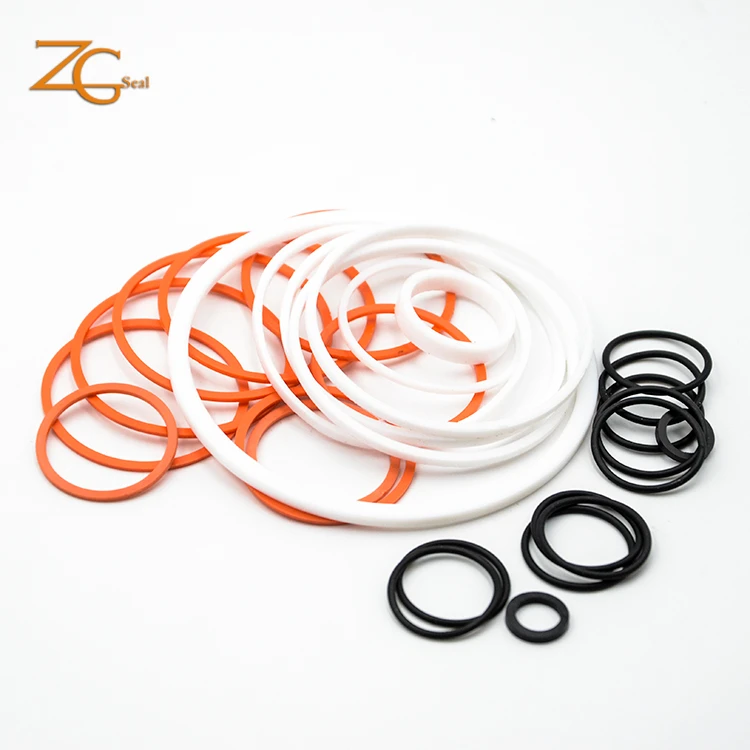
- Polytetrafluoroethylene (PTFE): PTFE is a high-performance polymer known for its excellent chemical resistance, low friction coefficient, and high temperature resistance. It is often used in applications where the O-ring needs to seal against aggressive chemicals or in high-temperature environments. PTFE O-rings are also available in different forms, such as PFA O Ring, which offers improved chemical resistance and mechanical properties compared to standard PTFE.
O-Ring Design
The design of the O-ring can also have a significant impact on its performance in an abrasive environment. Some design considerations include:
- Cross-Sectional Shape: The cross-sectional shape of the O-ring can affect its contact area with the mating surfaces and its ability to withstand abrasion. For example, a square or rectangular cross-section may provide a larger contact area and better resistance to wear compared to a circular cross-section.
- Hardness: The hardness of the O-ring can influence its resistance to abrasion. Generally, harder O-rings are more resistant to wear, but they may also be more prone to cracking or breaking under stress. It is important to select an O-ring with the appropriate hardness for the specific application.
- Backing Rings: In some cases, the use of backing rings can help improve the performance of O-rings in abrasive environments. Backing rings are typically made of a harder material, such as PTFE Backup Ring, and are placed behind the O-ring to provide additional support and protection against extrusion and abrasion.
Operating Conditions
The operating conditions of the system can also affect the performance of O-rings in abrasive environments. Some of the key operating conditions to consider include:
- Temperature: High temperatures can accelerate the wear and degradation of O-rings, especially in abrasive environments. It is important to select an O-ring material that can withstand the maximum operating temperature of the system.
- Pressure: High pressures can increase the stress on the O-ring and cause it to extrude or deform, especially in the presence of abrasive particles. It is important to select an O-ring with the appropriate pressure rating for the specific application.
- Fluid or Gas Type: The type of fluid or gas being sealed can also affect the performance of O-rings in abrasive environments. Some fluids or gases may be more corrosive or abrasive than others, and it is important to select an O-ring material that is compatible with the specific fluid or gas.
Strategies for Improving O-Ring Performance in Abrasive Environments
Based on the factors discussed above, there are several strategies that can be employed to improve the performance of O-rings in abrasive environments:
Select the Right O-Ring Material
As mentioned earlier, the choice of O-ring material is crucial for ensuring good performance in abrasive environments. It is important to select a material that has high resistance to wear, abrasion, and chemical attack, as well as good mechanical properties and compatibility with the operating conditions of the system.
Use Backing Rings
Backing rings can provide additional support and protection to O-rings in abrasive environments. They can help prevent extrusion and reduce the wear on the O-ring by acting as a barrier between the O-ring and the abrasive particles. PTFE Backup Ring is a popular choice for backing rings due to its high hardness, low friction coefficient, and excellent chemical resistance.
Optimize the O-Ring Design
The design of the O-ring can also be optimized to improve its performance in abrasive environments. This may include using a larger cross-sectional diameter, a harder material, or a different cross-sectional shape. Additionally, the use of Encapsulated O Ring, which consists of a soft elastomer core encapsulated in a hard outer shell, can provide improved resistance to wear and abrasion.
Implement Proper Sealing Techniques
Proper sealing techniques are essential for ensuring the long-term performance of O-rings in abrasive environments. This includes ensuring that the O-ring is installed correctly, with the proper amount of compression and alignment. It is also important to clean the mating surfaces before installation to remove any abrasive particles or contaminants that could damage the O-ring.
Monitor and Maintain the Sealing System
Regular monitoring and maintenance of the sealing system can help detect and prevent potential problems before they occur. This includes inspecting the O-rings for signs of wear, damage, or degradation, as well as checking the operating conditions of the system, such as temperature, pressure, and fluid or gas flow. If any issues are detected, the O-rings should be replaced immediately to prevent leaks and system downtime.
Conclusion
Operating in abrasive environments presents significant challenges for O-rings. However, by understanding the factors that affect O-ring performance in such conditions and implementing appropriate strategies, it is possible to select the right O-ring material and design for a specific application and ensure reliable sealing performance. As an O-ring supplier, we are committed to providing our customers with high-quality O-rings and technical support to help them overcome these challenges. If you have any questions or need assistance in selecting the right O-ring for your application, please do not hesitate to contact us for a consultation.
References
- Brown, R. A. (2007). Sealing Technology Handbook. Elsevier.
- Dixon, J. C. (2011). Rubber Seals: Principles and Design. William Andrew Publishing.
- Oberg, E., Jones, F. D., Horton, H. L., & Ryffel, H. H. (2016). Machinery's Handbook. Industrial Press.


