


When it comes to industrial machinery and equipment, one of the often-overlooked yet crucial components is the oil seal. An oil seal serves a simple yet vital purpose: to prevent the leakage of lubricating oil and the ingress of contaminants, such as dirt, dust, and water. However, choosing the right oil seal for a specific temperature range is not a straightforward task. As an oil seal supplier, I've encountered numerous customers who struggle with this decision. In this blog post, I'll share some insights on how to select the appropriate oil seal based on temperature requirements.
Understanding Temperature Requirements
The first step in choosing an oil seal is to understand the temperature range in which the equipment will operate. Different applications have different temperature demands, and these can vary significantly. For instance, automotive engines can reach extremely high temperatures, often exceeding 200°C (392°F) during normal operation. On the other hand, refrigeration systems operate at much lower temperatures, sometimes dropping below -40°C (-40°F).
It's essential to note that temperature is not the only factor to consider. The duration of exposure to high or low temperatures also plays a crucial role. Short-term exposure to extreme temperatures may be tolerable for some seals, while continuous exposure can cause rapid degradation.
Material Selection Based on Temperature
The material of the oil seal is the most critical factor in determining its performance at different temperatures. Here are some common materials used in oil seals and their temperature capabilities:
Nitrile Rubber (NBR)
Nitrile rubber is one of the most widely used materials for oil seals due to its excellent resistance to oil, fuel, and other petroleum-based fluids. It has a temperature range of approximately -40°C to 120°C (-40°F to 248°F). NBR seals are suitable for many general-purpose applications, including automotive engines, hydraulic systems, and industrial machinery.

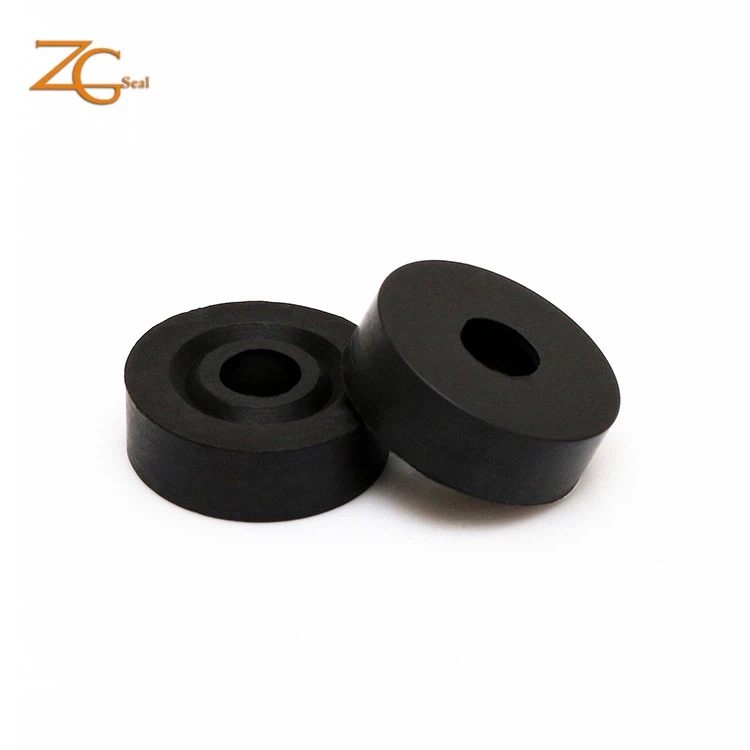
Fluorocarbon Rubber (FKM)
Fluorocarbon rubber, also known as Viton, offers superior resistance to high temperatures and chemicals. It can withstand temperatures ranging from -20°C to 250°C (-4°F to 482°F). FKM seals are commonly used in high-temperature applications, such as aerospace engines, chemical processing plants, and automotive turbochargers.
Silicone Rubber (VMQ)
Silicone rubber has excellent flexibility and resistance to extreme temperatures. It can operate in a temperature range of -60°C to 230°C (-76°F to 446°F). VMQ seals are often used in applications where flexibility and low-temperature performance are required, such as food processing equipment, medical devices, and electrical connectors.
Polytetrafluoroethylene (PTFE)
PTFE is a high-performance material known for its exceptional chemical resistance and low friction coefficient. It can withstand temperatures from -200°C to 260°C (-328°F to 500°F). PTFE Gaskets are commonly used in applications where chemical compatibility and high-temperature resistance are crucial, such as chemical pumps, valves, and semiconductor manufacturing equipment.
Design Considerations for Temperature Resistance
In addition to material selection, the design of the oil seal can also affect its performance at different temperatures. Here are some design considerations to keep in mind:
Lip Design
The lip of the oil seal is the part that comes into contact with the shaft and prevents leakage. A well-designed lip can provide better sealing performance and resistance to temperature variations. For high-temperature applications, a thicker lip or a reinforced lip design may be required to prevent the lip from deforming or hardening.
Spring Design
Many oil seals use a spring to provide additional tension on the lip, ensuring a tight seal. The spring material and design can also affect the seal's performance at different temperatures. For high-temperature applications, a spring made of a heat-resistant material, such as stainless steel, may be necessary to prevent the spring from losing its elasticity.
Seal Housing Design
The seal housing provides support and protection for the oil seal. It should be designed to allow for proper heat dissipation and prevent the seal from overheating. In some cases, a cooling system or a heat shield may be required to maintain the seal's temperature within the acceptable range.
Testing and Validation
Once you have selected the appropriate material and design for the oil seal, it's essential to test and validate its performance at the intended temperature range. This can be done through laboratory testing or field trials.
Laboratory testing involves subjecting the oil seal to various temperature conditions and measuring its performance, such as leakage rate, friction coefficient, and wear resistance. Field trials, on the other hand, involve installing the oil seal in the actual equipment and monitoring its performance over a period of time.
By conducting thorough testing and validation, you can ensure that the oil seal meets the requirements of your application and provides reliable performance in the long term.
Conclusion
Choosing the right oil seal for a specific temperature range is a critical decision that can affect the performance and reliability of your equipment. By understanding the temperature requirements, selecting the appropriate material, considering the design factors, and conducting thorough testing and validation, you can ensure that you choose an oil seal that meets your needs.
As an oil seal supplier, we have a wide range of oil seals available in different materials and designs to suit various temperature requirements. If you're looking for high-quality oil seals for your application, Coated O Ring and Radiator Support Bushing are also part of our product line. We can provide you with professional advice and guidance to help you make the right choice.
If you have any questions or need further information, please feel free to contact us. We look forward to working with you and providing you with the best oil seal solutions for your business.
References
- Rubber Handbook, The International Institute of Synthetic Rubber Producers
- Sealing Technology Handbook, Parker Hannifin Corporation
- ASTM International Standards for Rubber and Elastomeric Products


