


As an O ring supplier deeply involved in the industry, I often encounter inquiries from customers about the storage duration of O rings under proper conditions. This is a crucial question as it directly impacts the quality and usability of these essential sealing components. In this blog, I will delve into the factors influencing the storage life of O rings and provide insights based on scientific knowledge and practical experience.
Understanding O Rings and Their Materials
O rings are circular seals used in a wide range of applications, from automotive engines to plumbing systems. They are made from various materials, each with its own unique properties and characteristics. Common materials include nitrile rubber, silicone, fluorocarbon (Viton), and ethylene propylene diene monomer (EPDM). The choice of material depends on the specific application requirements, such as temperature, pressure, and chemical compatibility.
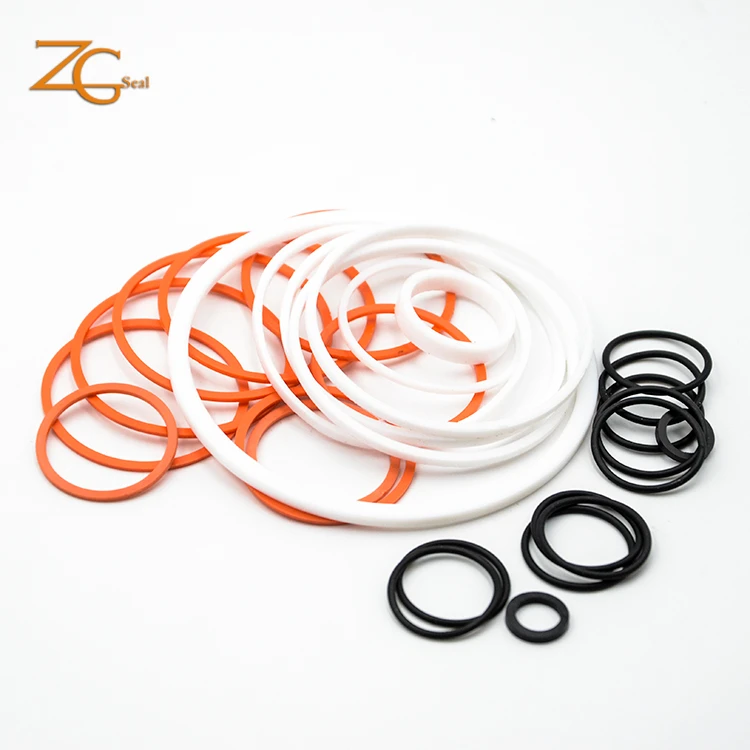

For instance, FEP Encapsulated Silicon O Ring combines the flexibility of silicone with the chemical resistance of FEP, making it suitable for applications where exposure to harsh chemicals is a concern. On the other hand, PTFE Backup Ring is often used in high-pressure applications to prevent extrusion of the primary O ring. PFA O Ring offers excellent chemical resistance and high-temperature stability, making it ideal for use in the chemical processing industry.
Factors Affecting O Ring Storage Life
The storage life of O rings is influenced by several factors, including temperature, humidity, light, oxygen, and chemical exposure. Understanding these factors is essential for ensuring the long-term quality and performance of O rings.
Temperature
Temperature is one of the most critical factors affecting the storage life of O rings. High temperatures can accelerate the aging process of rubber materials, leading to hardening, cracking, and loss of elasticity. On the other hand, low temperatures can cause the rubber to become brittle and lose its sealing properties.
As a general rule, O rings should be stored at a temperature between 20°C and 25°C (68°F and 77°F). Avoid storing O rings in areas where the temperature fluctuates significantly, such as near heating or cooling vents. If O rings need to be stored at lower temperatures, it is important to allow them to reach room temperature before use to prevent damage.
Humidity
Humidity can also have a significant impact on the storage life of O rings. High humidity levels can cause the rubber to absorb moisture, leading to swelling, softening, and degradation. On the other hand, low humidity levels can cause the rubber to dry out and become brittle.
O rings should be stored in a dry environment with a relative humidity between 40% and 60%. Avoid storing O rings in areas where there is excessive moisture, such as basements or near water sources. If O rings are exposed to high humidity during storage, they should be dried thoroughly before use.
Light
Exposure to light, especially ultraviolet (UV) light, can cause the rubber to degrade and lose its physical properties. UV light can break down the chemical bonds in the rubber, leading to hardening, cracking, and discoloration.
O rings should be stored in a dark place, away from direct sunlight and other sources of UV light. If O rings need to be stored in a well-lit area, they should be protected by opaque containers or packaging.
Oxygen
Oxygen can react with the rubber materials in O rings, causing oxidation and degradation. This process is accelerated at high temperatures and in the presence of light.
To minimize the exposure of O rings to oxygen, they should be stored in airtight containers or packaging. If possible, use inert gases, such as nitrogen, to displace the oxygen in the storage container.
Chemical Exposure
Exposure to chemicals can also have a significant impact on the storage life of O rings. Some chemicals can react with the rubber materials, causing swelling, softening, or degradation.
O rings should be stored away from chemicals, solvents, and other substances that can cause damage. If O rings need to be stored in an area where they may be exposed to chemicals, they should be protected by appropriate barriers or packaging.
Recommended Storage Conditions
Based on the factors discussed above, the following are the recommended storage conditions for O rings:
- Temperature: Store O rings at a temperature between 20°C and 25°C (68°F and 77°F).
- Humidity: Maintain a relative humidity between 40% and 60%.
- Light: Store O rings in a dark place, away from direct sunlight and other sources of UV light.
- Oxygen: Minimize the exposure of O rings to oxygen by storing them in airtight containers or packaging.
- Chemical Exposure: Store O rings away from chemicals, solvents, and other substances that can cause damage.
In addition to these general storage conditions, it is also important to follow the specific storage recommendations provided by the O ring manufacturer. Some O rings may require special storage conditions, such as refrigeration or the use of specific packaging materials.
Storage Duration
The storage duration of O rings under proper conditions can vary depending on the material, manufacturing process, and storage conditions. In general, most O rings can be stored for up to 5 years without significant degradation in quality. However, some high-performance materials, such as fluorocarbon (Viton) and PTFE, may have a longer storage life.
It is important to note that the storage duration is only an estimate, and the actual quality of the O rings may be affected by factors such as handling, transportation, and environmental conditions. Therefore, it is recommended to perform a visual inspection and a functional test on the O rings before use, especially if they have been stored for an extended period of time.
Conclusion
In conclusion, the storage life of O rings under proper conditions can be significantly extended by following the recommended storage guidelines. By controlling factors such as temperature, humidity, light, oxygen, and chemical exposure, O rings can maintain their quality and performance for up to 5 years or more.
As an O ring supplier, I am committed to providing high-quality products and ensuring that our customers have the information they need to store and use O rings effectively. If you have any questions about the storage or use of O rings, please do not hesitate to contact us. We are here to help you find the right sealing solutions for your applications.
If you are interested in purchasing O rings for your project, we invite you to reach out to us for a consultation. Our team of experts can assist you in selecting the appropriate O ring material and size based on your specific requirements. We look forward to working with you to meet your sealing needs.
References
- ASTM D1418 - Standard Practice for Rubber and Rubber Latices - Nomenclature
- ISO 1629 - Rubber - Nomenclature
- Rubber Manufacturers Association (RMA) - Guidelines for the Storage of Rubber Products


